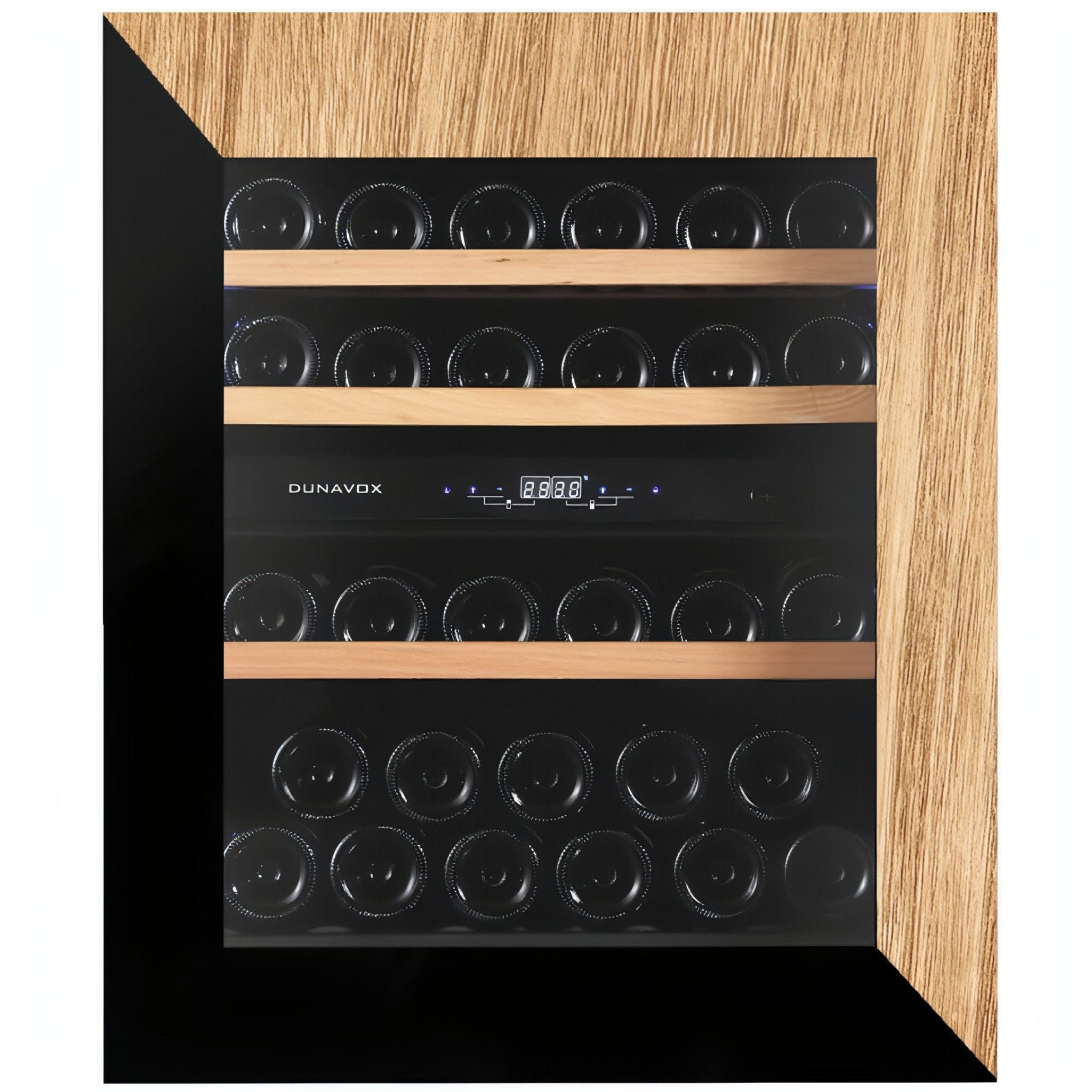

Beer is a perishable drink that tastes best when stored correctly. If you don’t have a dedicated beer fridge, your regular fridge is the next best option.
But how should you store beer bottles to keep them fresh and protect the flavour over time? From positioning and stacking to maintaining the right temperature for different styles, small details can make a big difference.
The best way to store beer bottles in the fridge is upright, at a consistent temperature, and away from light. Keeping beer cold and stable helps preserve flavour and prevent it from going flat or tasting off.
In this guide, we’ll cover everything you need to know about storing beer bottles in the fridge, including positioning, organisation tips, ideal temperatures, and fridge options, so every bottle you open tastes as fresh as possible.
Should I Store Beer Upright or on Its Side?
Store your beer vertically. You should store your beer upright to prevent yeast rings from forming inside the bottle. When you store your beer horizontally, yeast rings often occur inside the bottle, but storing it vertically means the yeast sits at the bottom of the bottle instead.
Storing your beer upright can also protect the cap and the seal of the bottle. If you keep your beer horizontal for long periods of time, it can affect the seal, potentially leading to oxidation.
Over time, poor storage can also affect how your beer ages, leading to changes in flavour and clarity.

How Long Will Beer Last in the Fridge?
If unopened, beer can stay fresh in the fridge for 6 to 12 months. We generally recommend that you consume refrigerated, unopened beer within 8 months. Hoppier beers, in particular, can lose their flavour more quickly if not stored correctly.
If you’re storing craft beers, which are often more sensitive to light and time, see our blog on how to store craft beer.
However, if you have opened a bottle of beer, make sure you consume it within a day or two, regardless of the expiration date. Learn more in our article on how long beer lasts in the fridge.
If you take beer out of the fridge, it’s perfectly safe to put it back, even if it has warmed slightly. For more details, see our guide: Can You Put Warm Beer Back in the Fridge?
How Can I Organise Beer Bottles in My Fridge?
If you're storing your beer in your regular refrigerator, the same place you store your food, then you want to use your space wisely. Here are some tips on how to organise and stack your beer bottles in your fridge:
- Use the door storage to keep bottles upright
- Use a beer bottle stacker if space is limited
- Stack bottles carefully to save space
- Group beers by type (lagers, IPAs, ales)
- Or organise by how often you drink them
- Keep frequently used beers easy to reach
- Label bottles for quick selection
What Temperature Should I Store Different Types of Beer?
The optimal storage temperature for beer depends on the type of beer. Lighter beers, for example, should be stored at lower temperatures, whereas Belgian ales should be stored at warmer temperatures.
| Beer Type | Ideal Temperature |
|---|---|
| Lager and lighter beers | 0–4°C |
| Ales | 4–7°C |
| Belgian ales | At least 10°C |
If, however, you are storing your beer for ageing or cellaring, then we recommend warmer temperatures between (10-15°C).
The key is to maintain a consistent temperature as much as possible. Try to avoid placing beer near the fridge door, where temperatures change more often.
This will help to keep the flavours intact and prevent the beer from prematurely ageing and tasting 'off'. For more details on the ideal storage and serving temperatures for different beers, see our guide on the best temperature to store and serve beer.
Unfortunately, keeping a consistent temperature can be tough with a regular refrigerator. This brings us to our next point…
What is the Best Way to Store Beer Bottles?
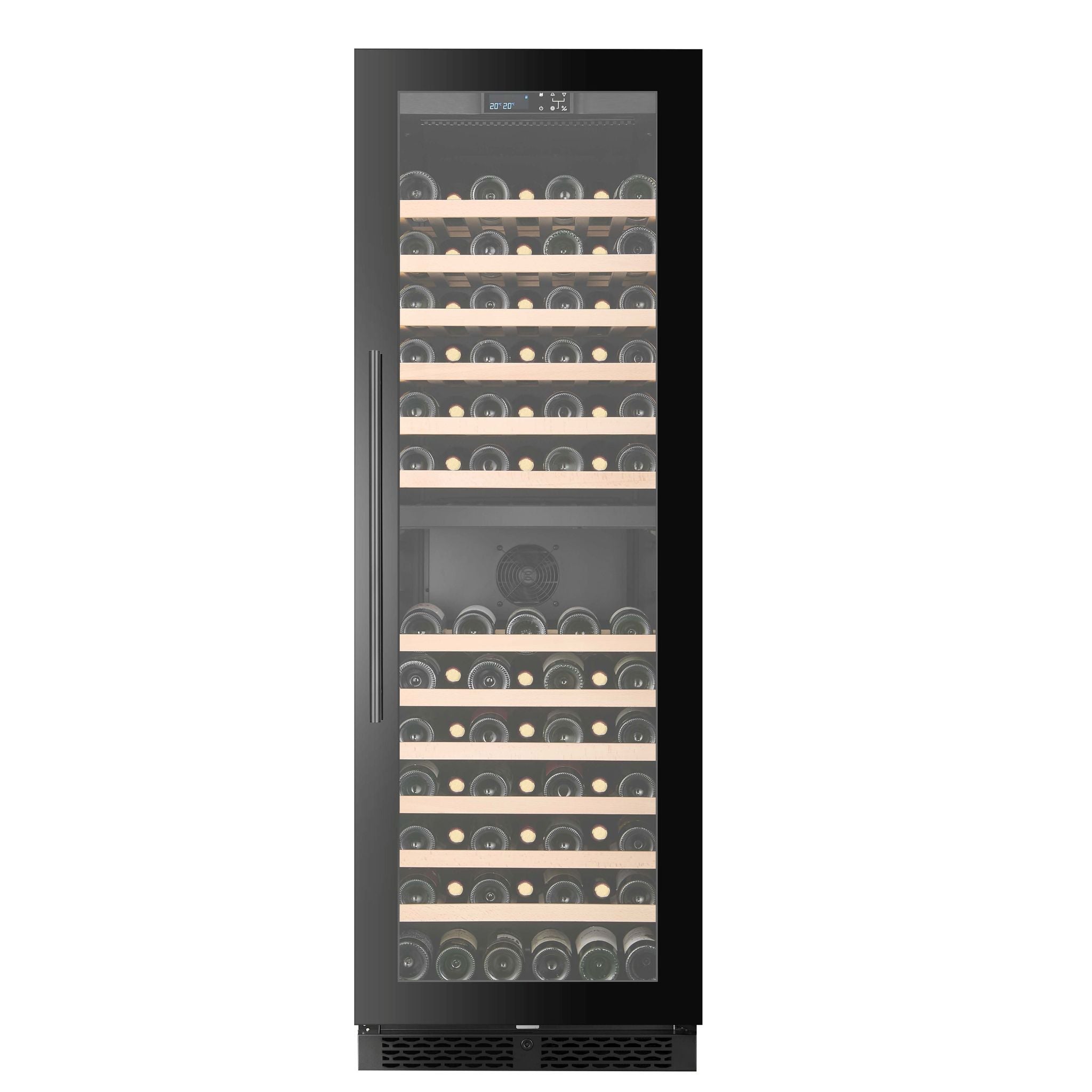
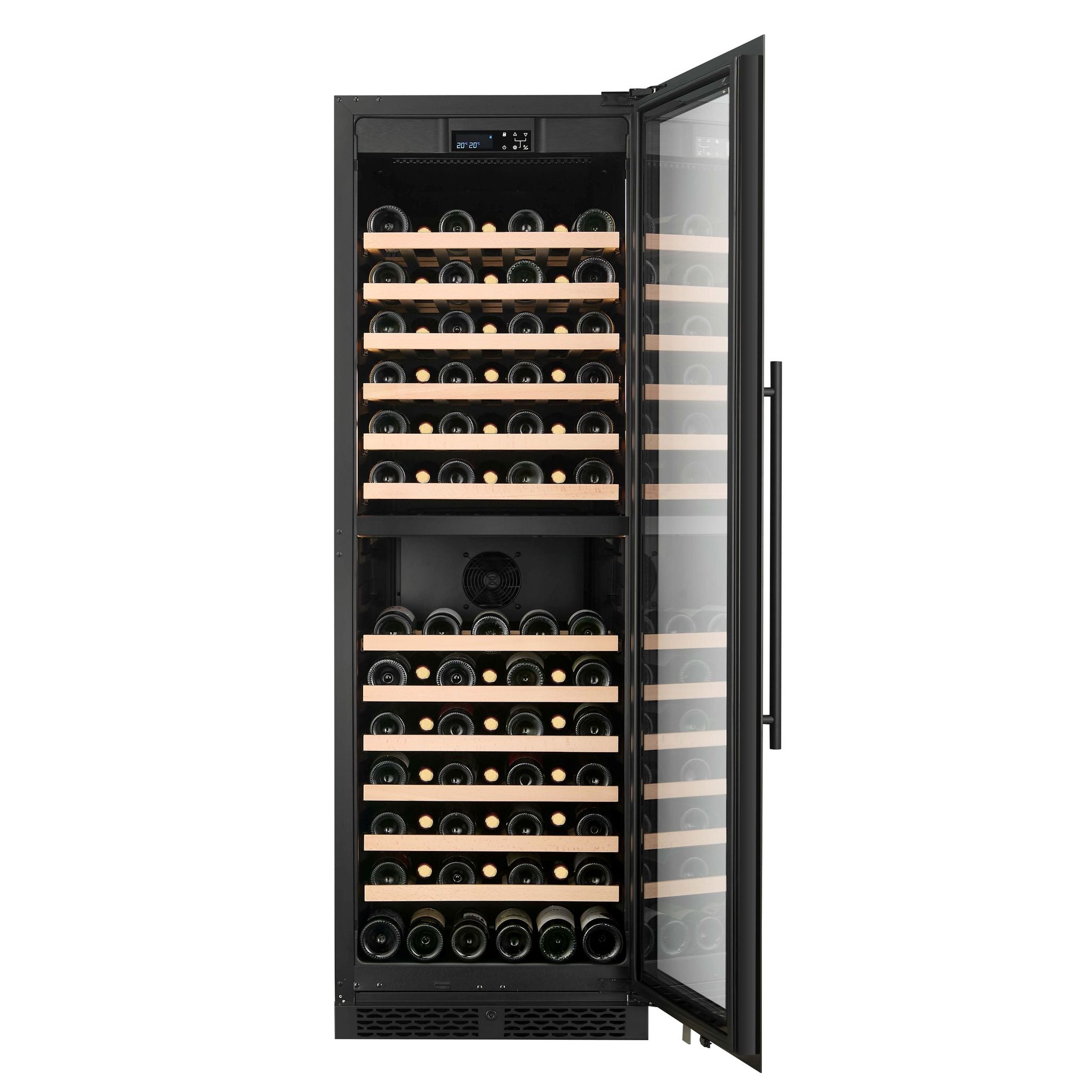
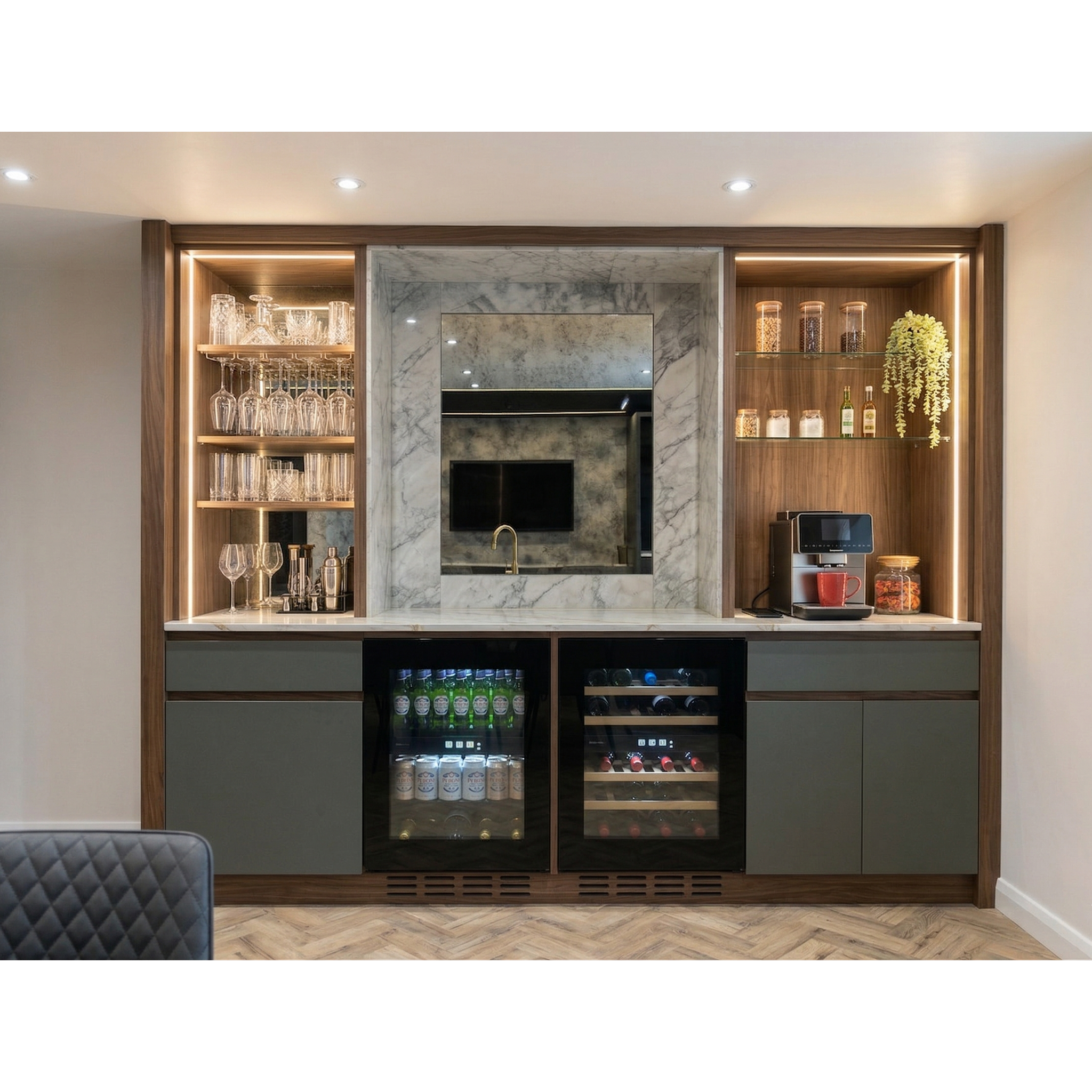
The best way to store beer bottles is in a specialist beer fridge. Beer fridges maintain a consistent temperature for your beer bottles, helping preserve flavour and quality.
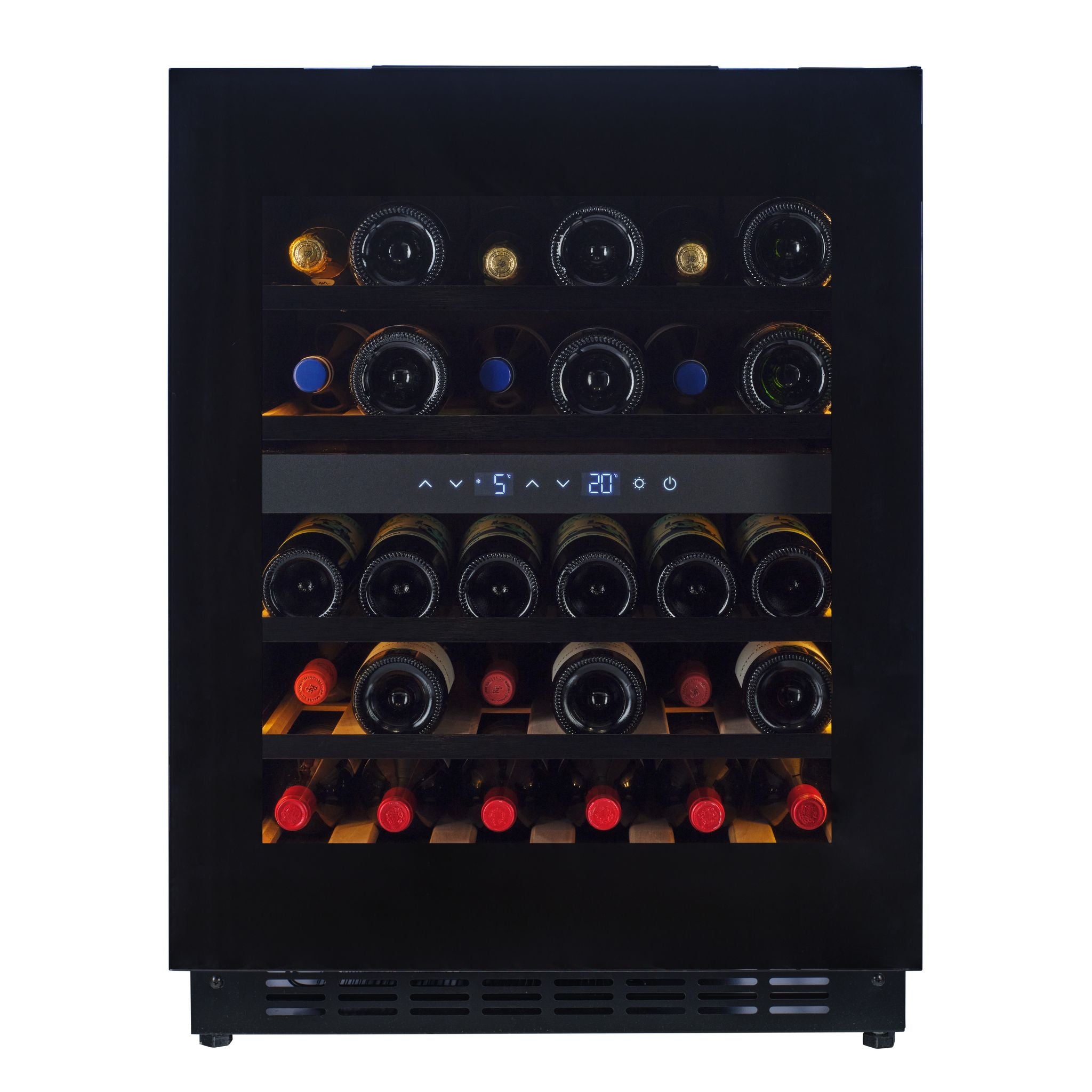
With some beer fridges, you can create multiple temperature zones, allowing you to store IPAs and ales at different temperatures in the same unit.
If you don’t have a beer fridge, a dual-zone wine fridge works well. You can keep your wine at one temperature and your beer at another. If you’re unsure whether this setup is right for you, see our guide on using a wine fridge for beer.
If you want more control over temperature and storage, explore our range of beer fridges designed to keep your beer at its best. You can also check out our recommendations for the best beer fridges for your man cave.
FAQs
Does Light Affect Beer in the Fridge?
Yes, light can affect beer, even when it’s stored in the fridge. Exposure to light, particularly UV and blue light, triggers a chemical reaction in the hops that creates a compound responsible for the well-known “skunky” smell and taste.
Can Beer Freeze in the Fridge?
Beer generally won’t freeze if your fridge is set to the correct temperature. However, any temperature below -2°C to -3°C (28°F) can cause it to freeze.
While it might be tempting to use the freezer to chill beer quickly, freezing can damage the bottle and affect the taste, so it’s best to avoid it.
What is the 3 30 300 rule for beer?
The 3-30-300 rule is a simple way to understand how temperature affects beer freshness over time. It shows how much faster beer deteriorates when it’s stored warm compared with being kept cold.
According to this guideline used by breweries and storage experts:
- Beer stored at around 90 °F (32 °C) will start to lose noticeable flavour after about 3 days.
- At 72 °F (22 °C), typical room temperature, beer can last about 30 days before similar flavour loss occurs.
- At 38 °F (3–4 °C), typical fridge temperatures, beer can retain its quality for around 300 days.
The takeaway is straightforward: the colder your beer is stored (within reason), the longer it will stay fresh and taste as the brewer intended.