Storing craft beer correctly is essential to preserving its aromatic quality. Whether you’re a collector of rare brews or a casual drinker, having the proper storage ensures the ale tastes as the brewer intended. From the best temperature to store your craft beer to the location and tips for longevity, here’s everything you need to know about keeping your craft beer at its best.
Should Craft Beer Be Stored Cold?
Yes, most craft beers should be stored cold. Cold storage slows down chemical reactions in the beer that can lead to off-flavours over time, helping to preserve the hop aroma, malt character, and overall freshness.
For hoppy beers like IPAs or delicate wheat beers, refrigeration can be particularly important, as warm storage can quickly degrade their vibrant flavours. However, some ales like Belgian Quads benefit from slightly warmer storage to help develop more complex notes. But overall, craft beer is best stored in a cool, dark environment.
If your cooler doesn’t feel like it’s the right temperature, it may be worth checking how to make a wine cooler colder.
What Happens If Craft Beer Isn’t Stored Cold?
If craft beer isn’t stored in a refrigerator, it can age prematurely. Studies show that flavours may become muted, while some unwanted notes like sourness or cardboard-like oxidation can develop. This is because heat and light accelerate the chemical reactions.
Some high-alcohol or barrel-aged beers can tolerate warmer storage, but for the majority of styles, not keeping beer cold will reduce both its freshness and drinkability.
Where Should You Store Craft Beer At Home?
Before browsing for beer coolers, decide where it will be best placed.
-
Refrigerator: Ideal for most beers, especially hoppy, light, or delicate styles. Keep them away from door shelves to avoid temperature fluctuations.
-
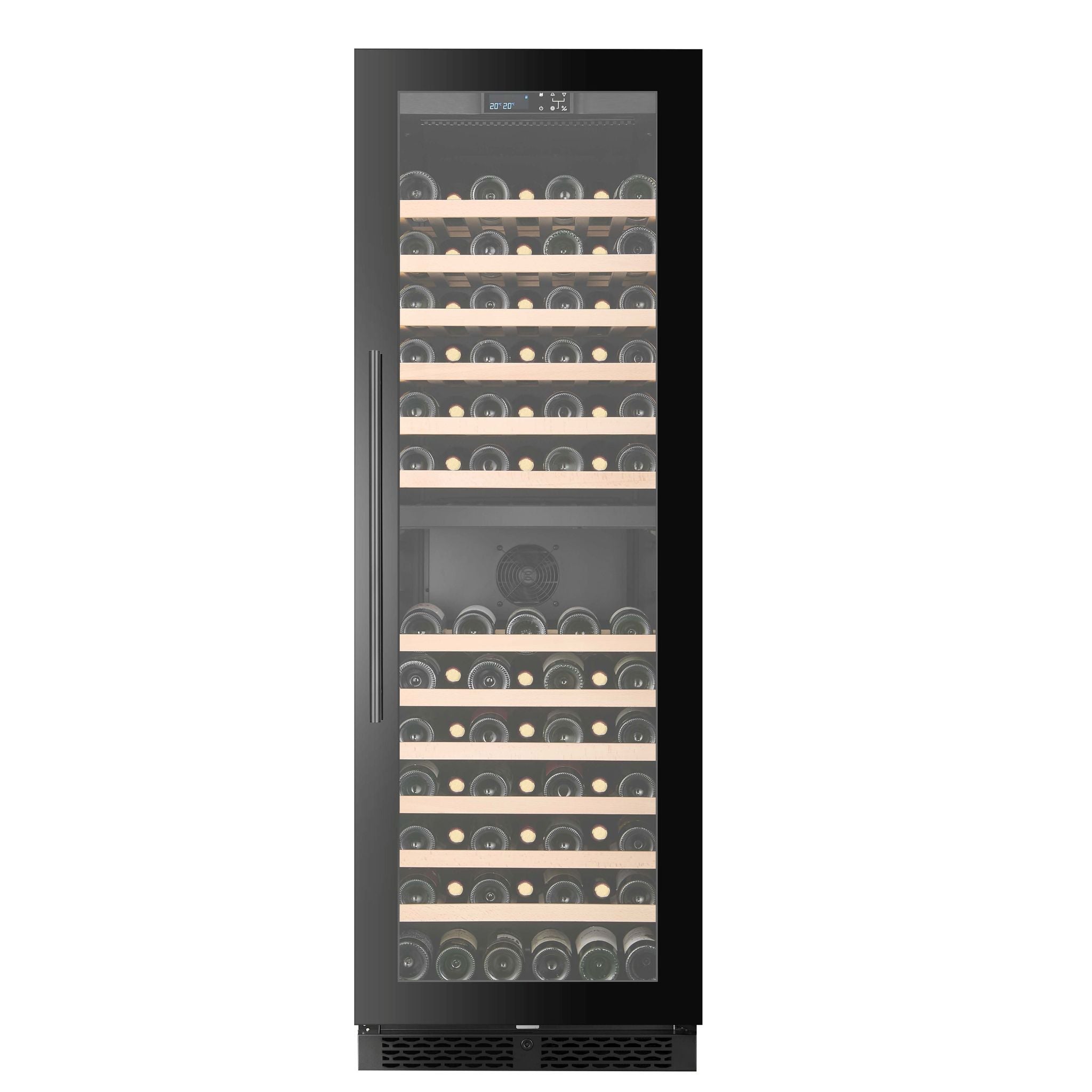
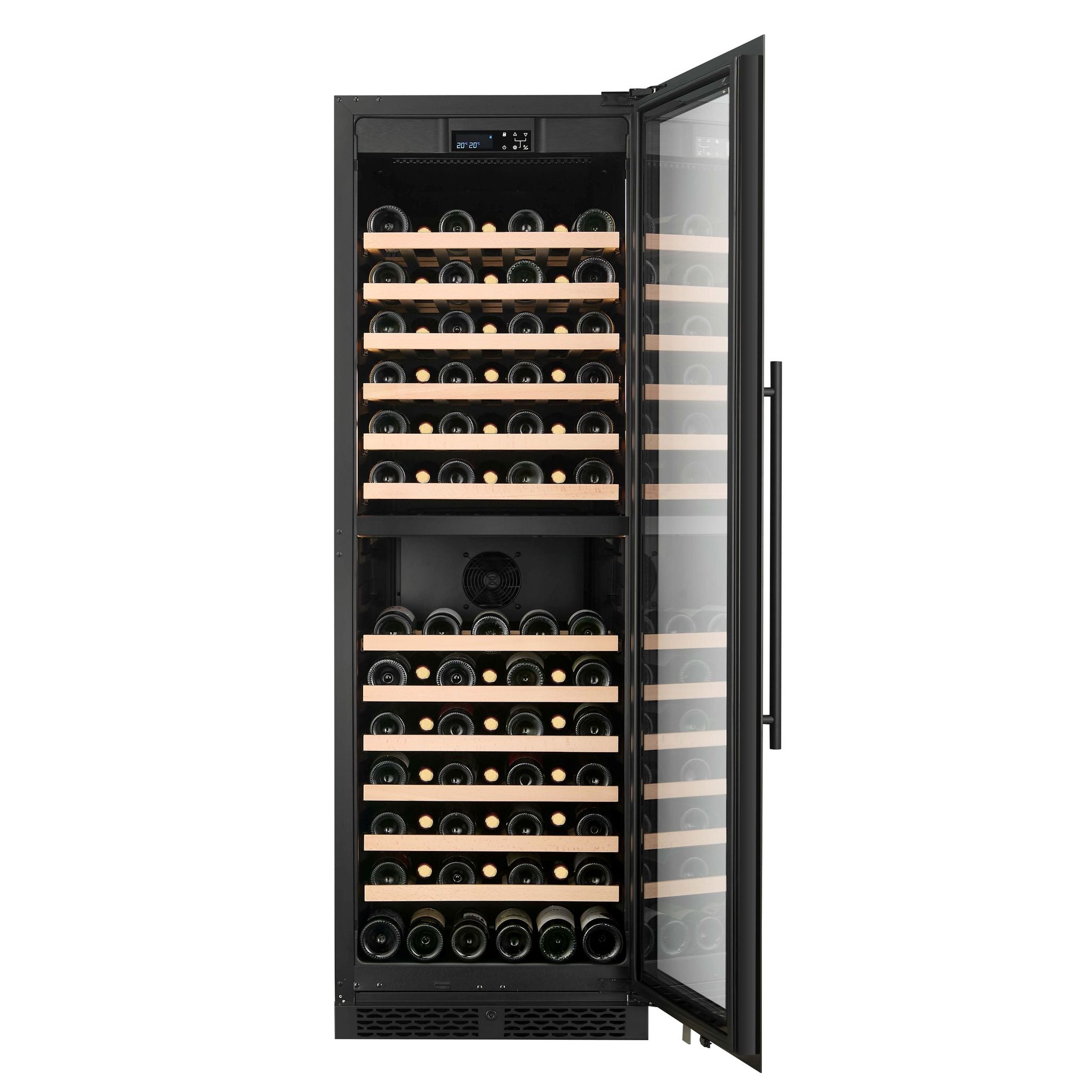
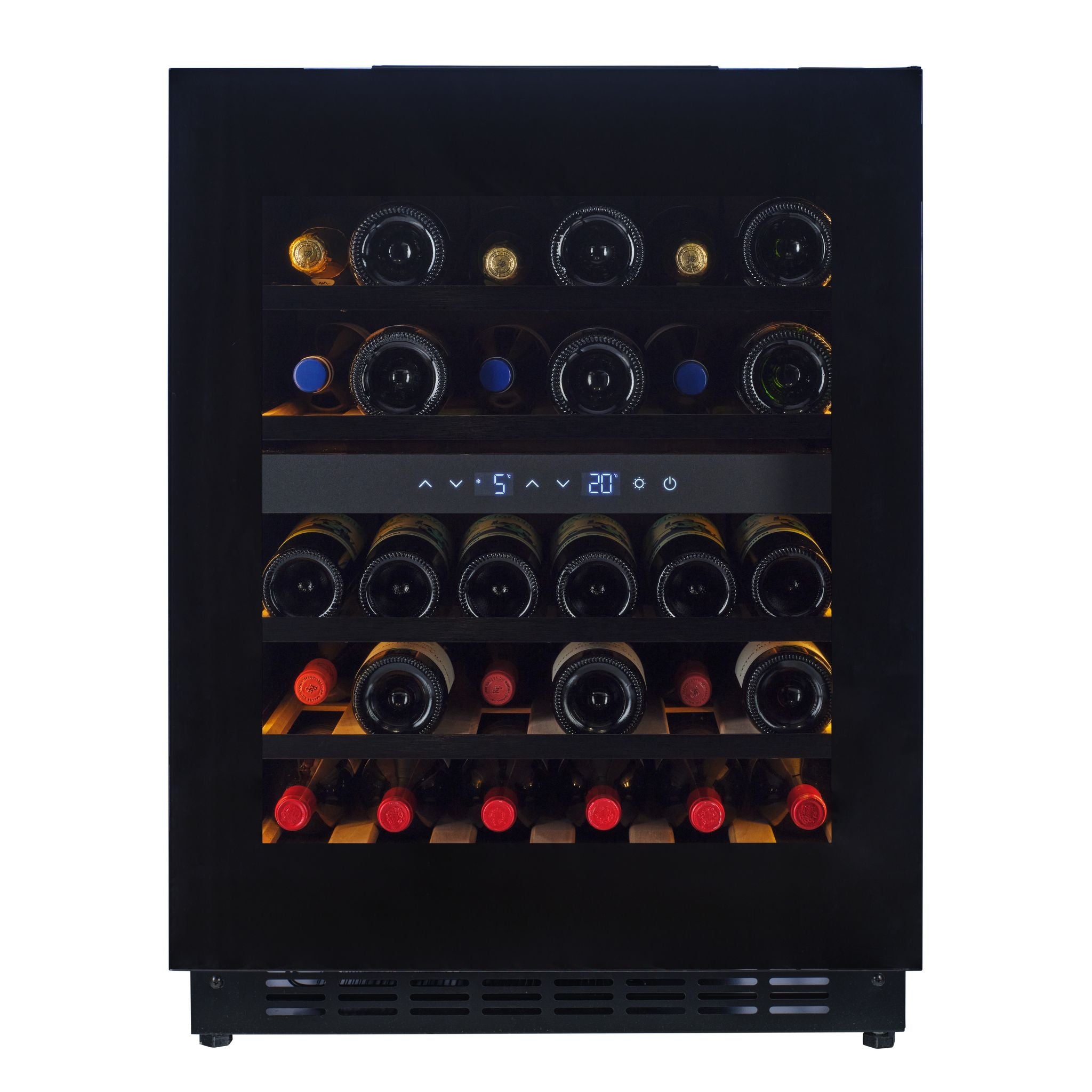
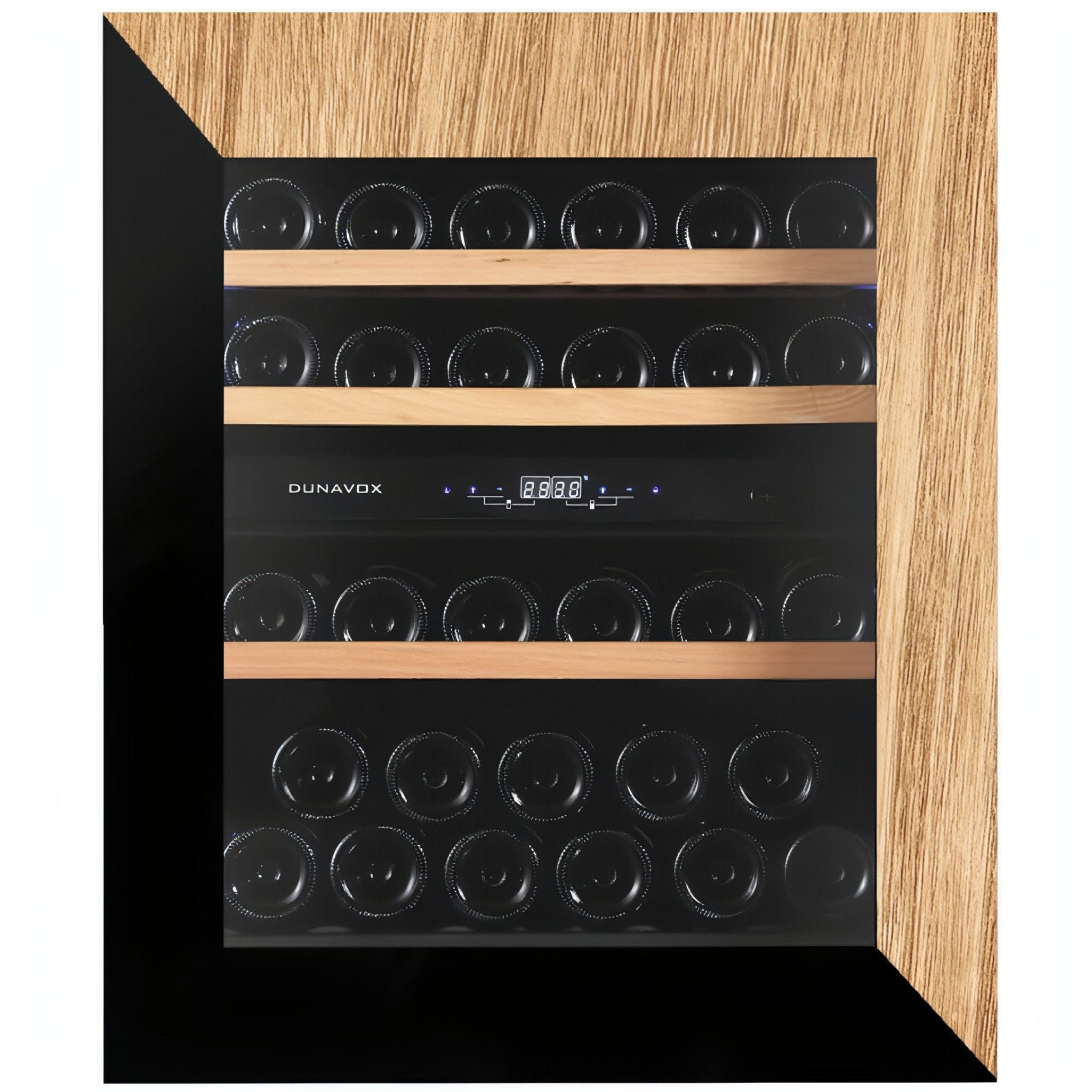
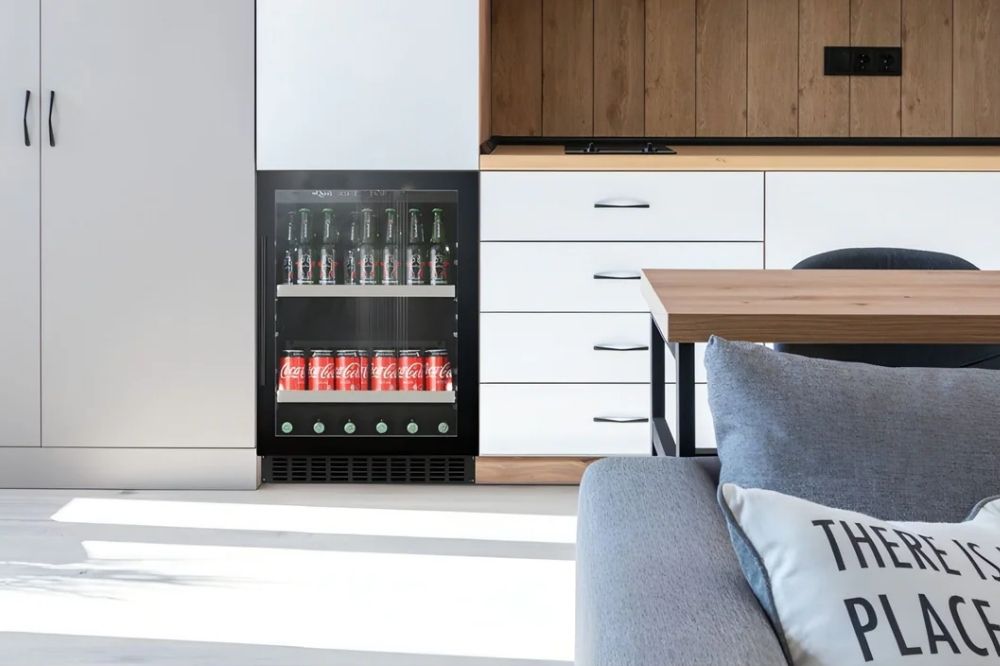
Beer fridge/ beverage cooler: A great alternative if you don’t have enough fridge space. Beer or wine fridges maintain a stable temperature and can also be set to suit different beer styles.
-
Cupboard/ pantry: Suitable for strong, darker beers such as stouts or barley wines that improve with ageing. Always avoid areas with direct sunlight or heat sources.
-
Clear-door fridge: While convenient, clear doors let in light that can skunk beer. If using a clear fridge, try to store beers away from well-lit rooms, ideally in a cellar or garage.
Choosing the right location for your cooling appliance is key. See our guide on the best places to put wine coolers for more tips.
How Cold Is Too Cold For Craft Beer?
While refrigeration is generally recommended, freezing beer can cause the liquid to expand and damage both the bottle and the beer’s texture. Most craft beers are best stored at between 3°C and 13°C, depending on the style. Light lagers and hoppy beers lean toward the cooler end, while stronger ales and barrel-aged brews can be stored slightly warmer to allow flavours to develop.
Does Craft Beer Need To Be Stored Upright?
Yes. It’s best to store craft beer upright, whether in bottles or cans. This position minimises contact with air, helping to reduce oxidation and preserve flavour. It also prevents yeast or sediment from sticking to the sides and keeps sediment at the bottom. Additionally, storing beer upright reduces the risk of leaks or contamination.
Learn more in our guide how to store beer bottles in the fridge.
How Long Does Craft Beer Last?
Shelf life depends on the style, ABV (alcohol by volume), and packaging. As a general guide:
-
Light beers (lagers, pilsners): 3–6 months.
-
IPAs and hoppy beers: 2–4 months (freshness is key).
-
Stronger ales, stouts, porters: 6–12 months.
-
Barrel-aged, high-ABV beers: 1–5 years (may improve with time).
Always check the best-before date and drink hoppy or delicate beers as fresh as possible.
Are All Beers Best Stored Cold?
Not all beers require refrigeration. While hoppy beers and lighter styles should be kept cold, stronger, darker ales or high-ABV beers can benefit from slightly warmer storage. These beers often improve with careful ageing, and are less sensitive to temperature fluctuations, though they should still be kept away from light and heat.
7 Essential Tips For Storing Craft Beer
-
Keep it cold where appropriate: Refrigerate hoppy and delicate beers to preserve flavour.
-
Avoid sunlight: UV light can “skunk” beer, creating off-flavours.
-
Minimise temperature changes: Rapid fluctuations accelerate ageing and spoil taste.
-
Store bottles upright: Helps reduce oxidation and sediment issues.
-
Check expiry dates: Fresh beer tastes better.
-
Use a wine fridge for collection storage: Maintains consistent temperature for multiple styles.
-
Separate styles by type: Don’t store hoppy beers with strong barrel-aged beers to prevent flavour contamination.
Store Your Craft Beer with Elite Wine Refrigeration
Storing craft beer in a temperature-controlled place allows your beverage to keep fresh and retain all of its flavours. Having a dedicated beverage cooler is a practical upgrade for anyone who wants to enjoy their craft beer the way it is intended.
Explore our beer and beverage cooling solutions:
-
Freestanding beer fridges: Ideal for keeping craft beer consistently cold.
-
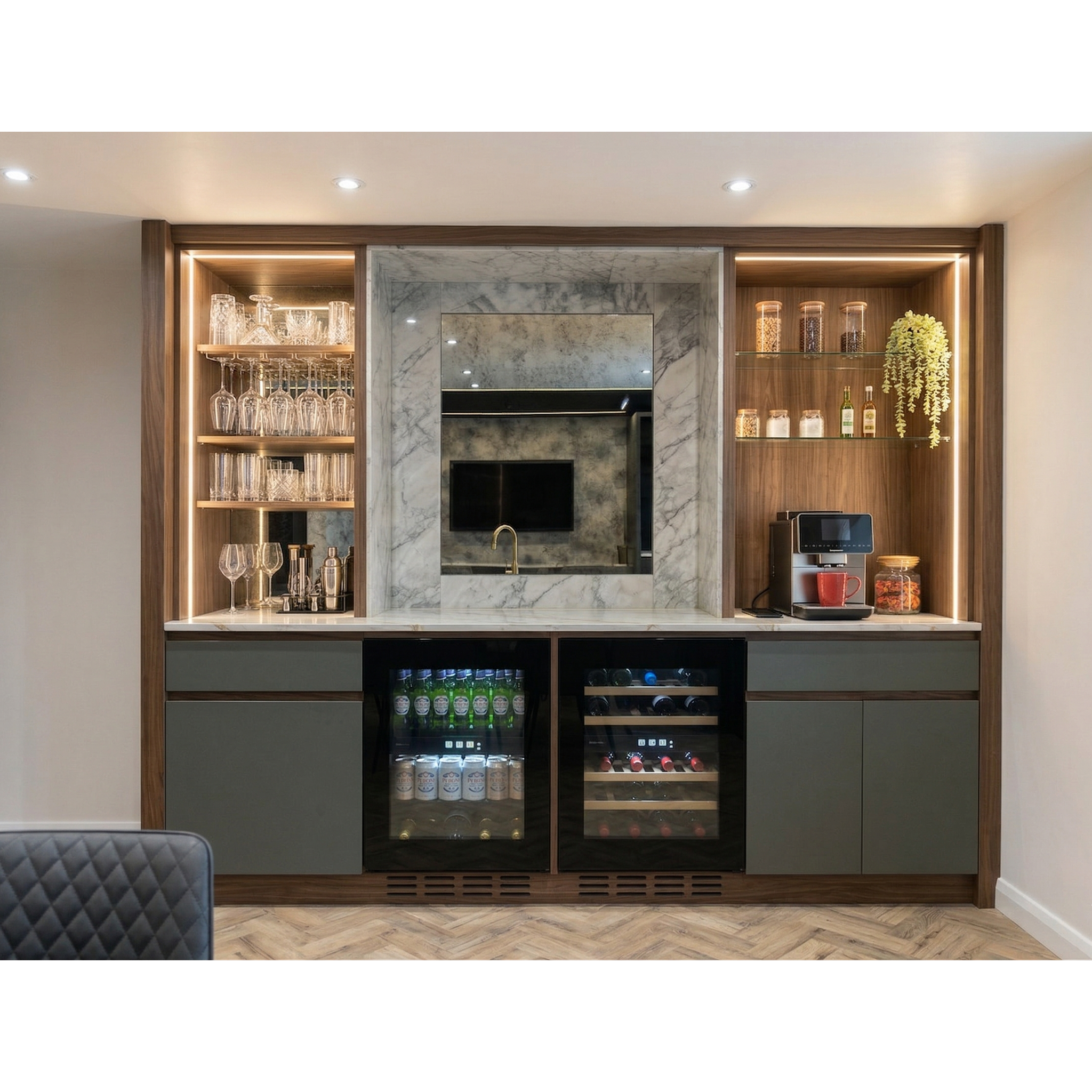
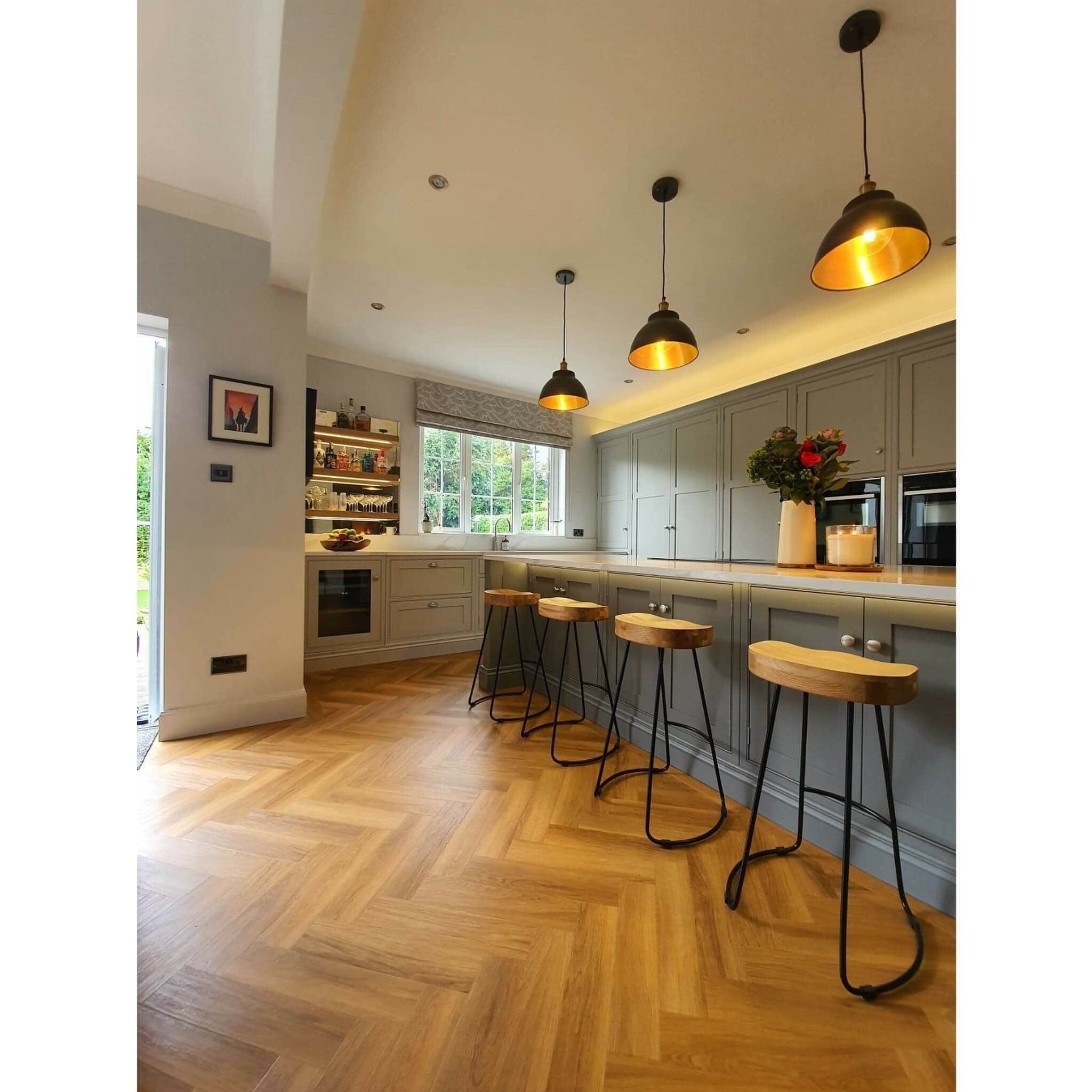
Undercounter fridges: Perfect for kitchens, bars, and entertainment spaces.
-
Combined wine and beer fridges: Great for those who enjoy a wide range of alcoholic beverages.
For more inspiration, visit our top beer fridges for your man cave.
FAQs
Does Craft Beer Storage Temperature Affect The Taste?
Yes. Too warm and flavours degrade; too cold and subtle aromas may be diminished. Consistent, moderate cold preserves taste.
Is There A Difference When Storing Canned Vs Bottled Beer?
Cans protect beer from light completely, while bottles can let in UV light if not shielded. Otherwise, storage principles are the same.
Can You Store Craft Beer In A Wine Fridge?
Yes. Wine fridges maintain a stable temperature, making them ideal for both short-term and long-term storage. Read our blog, can wine fridges be used for beer , for more information.
Should Craft Beer Be Served In A Frozen Glass?
No. Frozen glasses can shock the beer and mask flavour. Slightly chilled glasses are better for preserving scent and taste.